
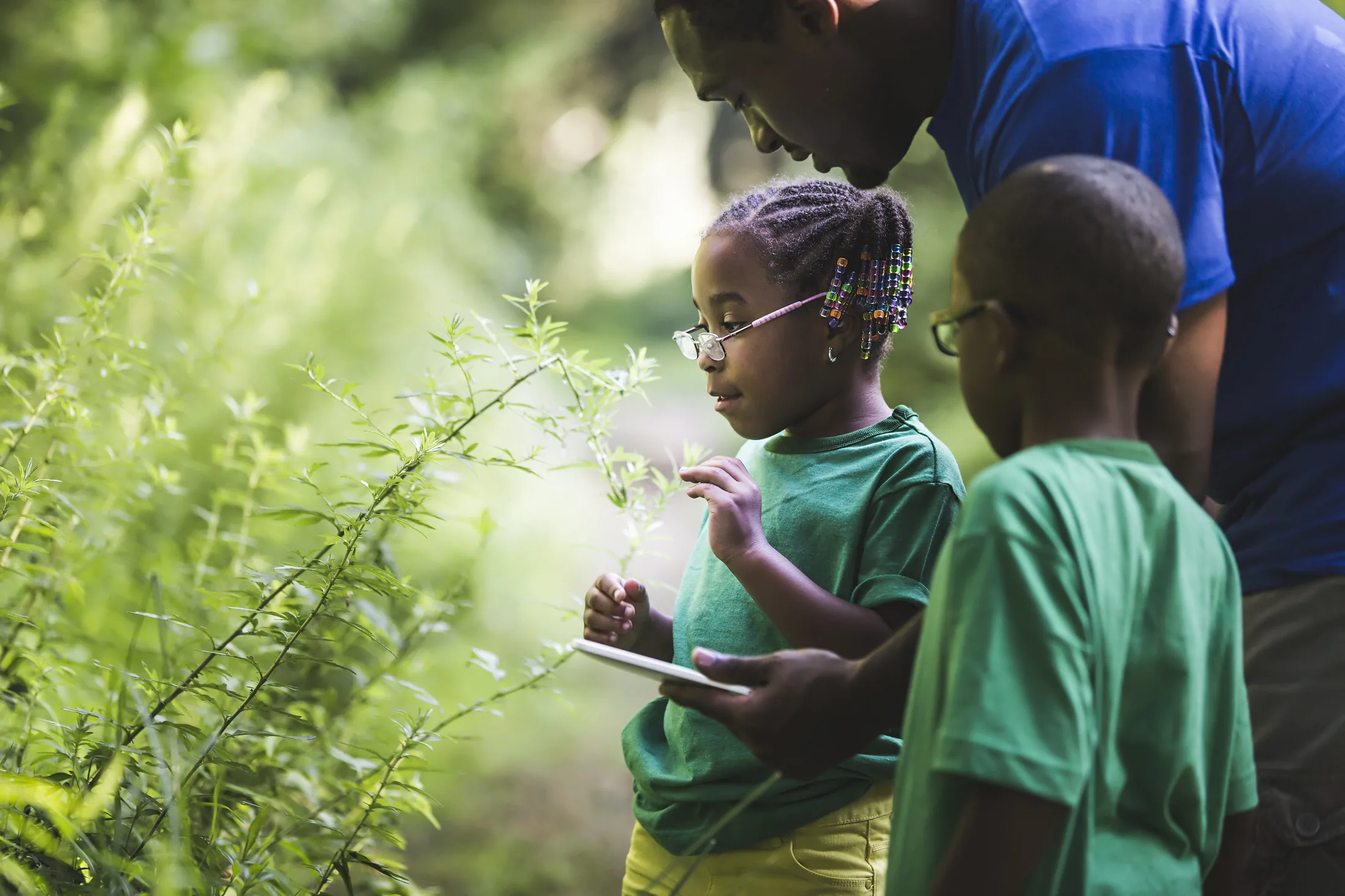
Ecological Literacy Pathways for Youth and Women Leaders
Ecological literacy begins close to home. When young people and women can read how land, water, vegetation, climate, and household decisions interact, they are better equipped to lead practical resilience work rather than only participate in awareness campaigns.
Start with the local landscape
The source article argues against beginning with abstract climate language alone. Learning is stronger when it starts with visible realities such as shrinking wetlands, hotter bare soil, stressed crops, eroding paths, or disappearing tree cover.
That local framing helps learners connect environmental change to daily systems of food, water, fuel, grazing, and household wellbeing.
Why youth and women are central leaders
Young people inherit long-term ecological risk and often bring energy, communication skills, and comfort with simple digital tools. Women often hold practical knowledge about water stress, fuelwood pressure, food production, and household environmental impacts.
The article’s central shift is from treating both groups as beneficiaries to treating them as ecological leaders, monitors, educators, and organizers.
Build pathways, not one-off awareness
The paper points to school-based learning spaces, women-led resilience learning, youth monitoring teams, and peer learning circles as repeatable pathways for action.
That repeated practice is what turns ecological literacy into stewardship capacity: people do not just learn the language of resilience, they begin using it to guide local decisions.