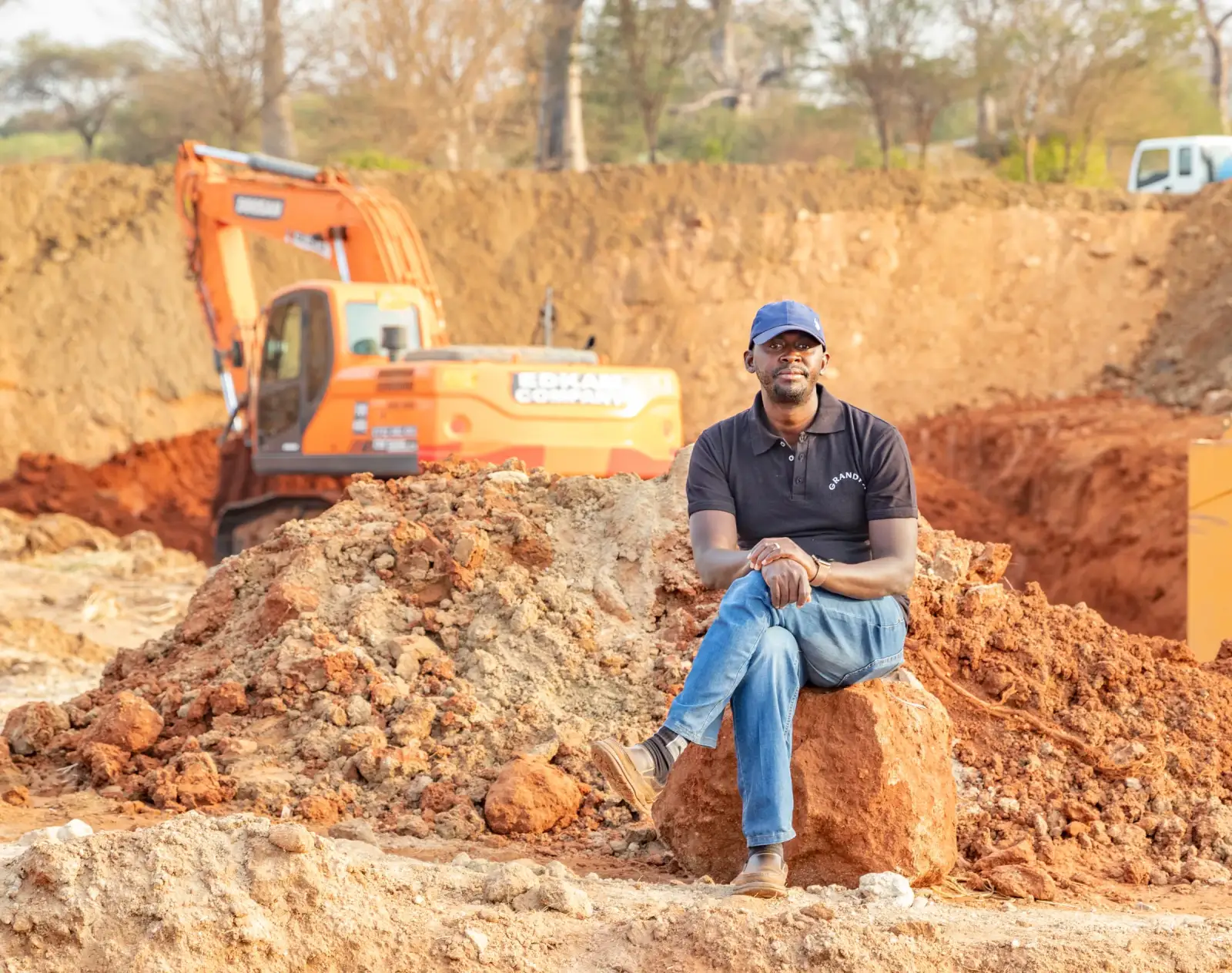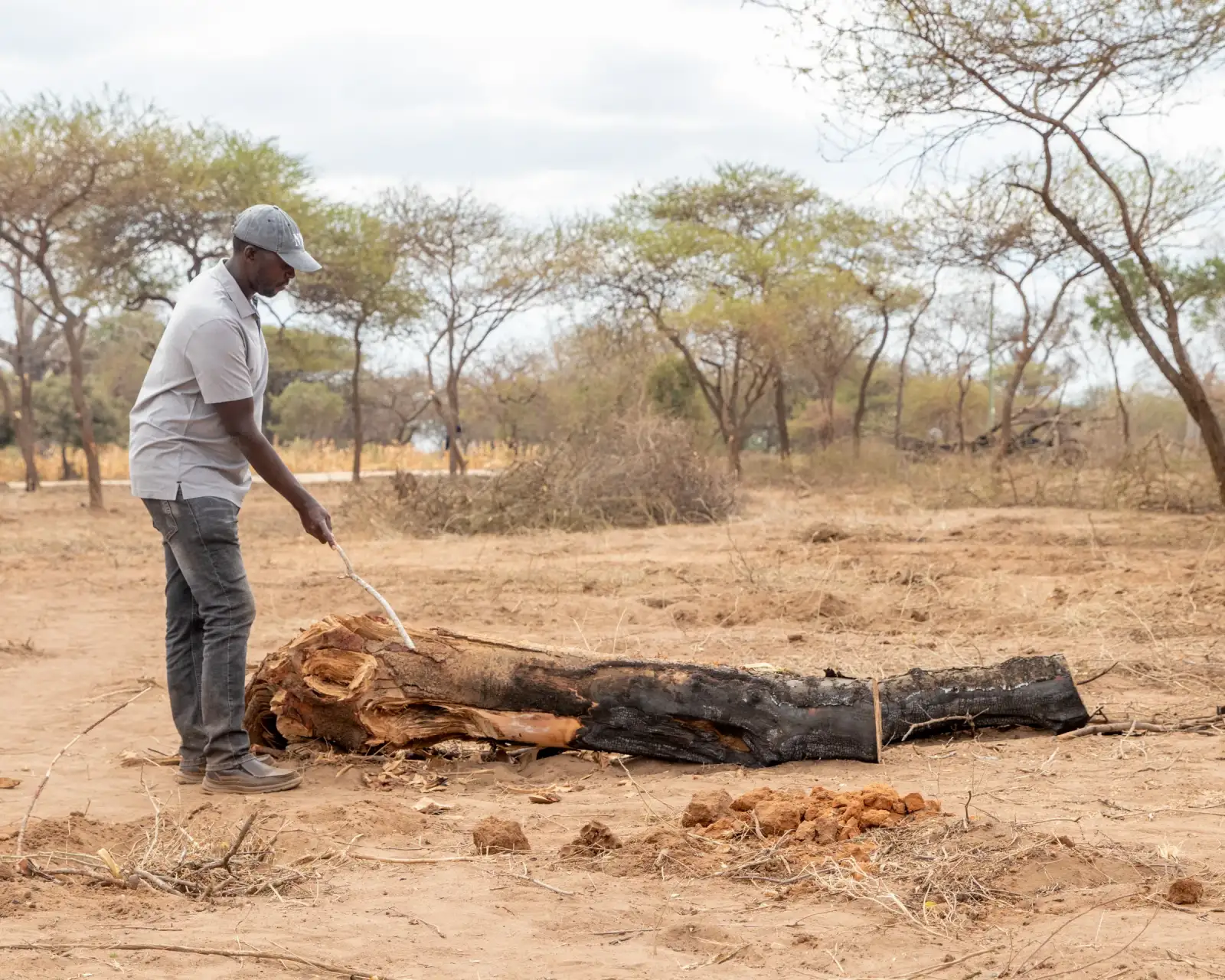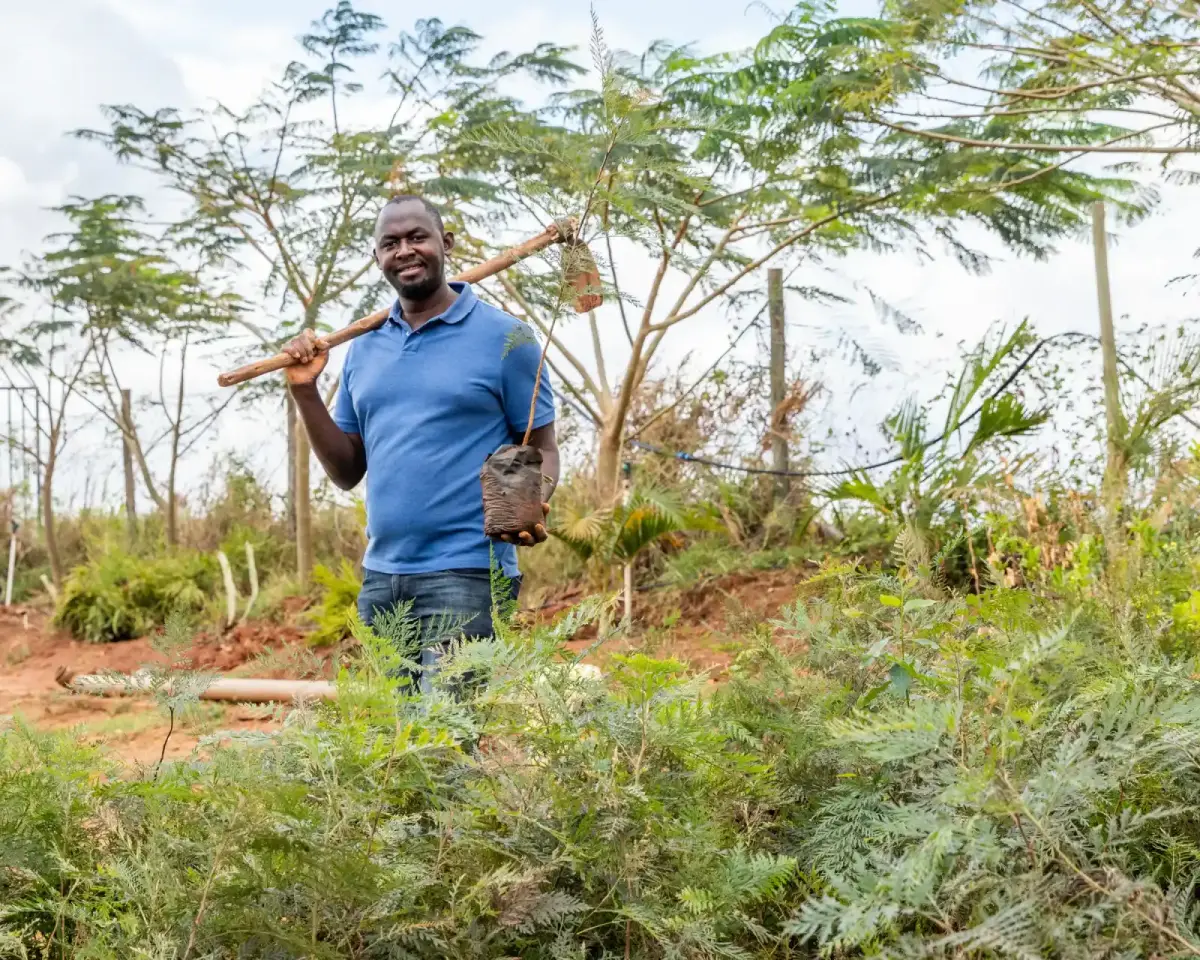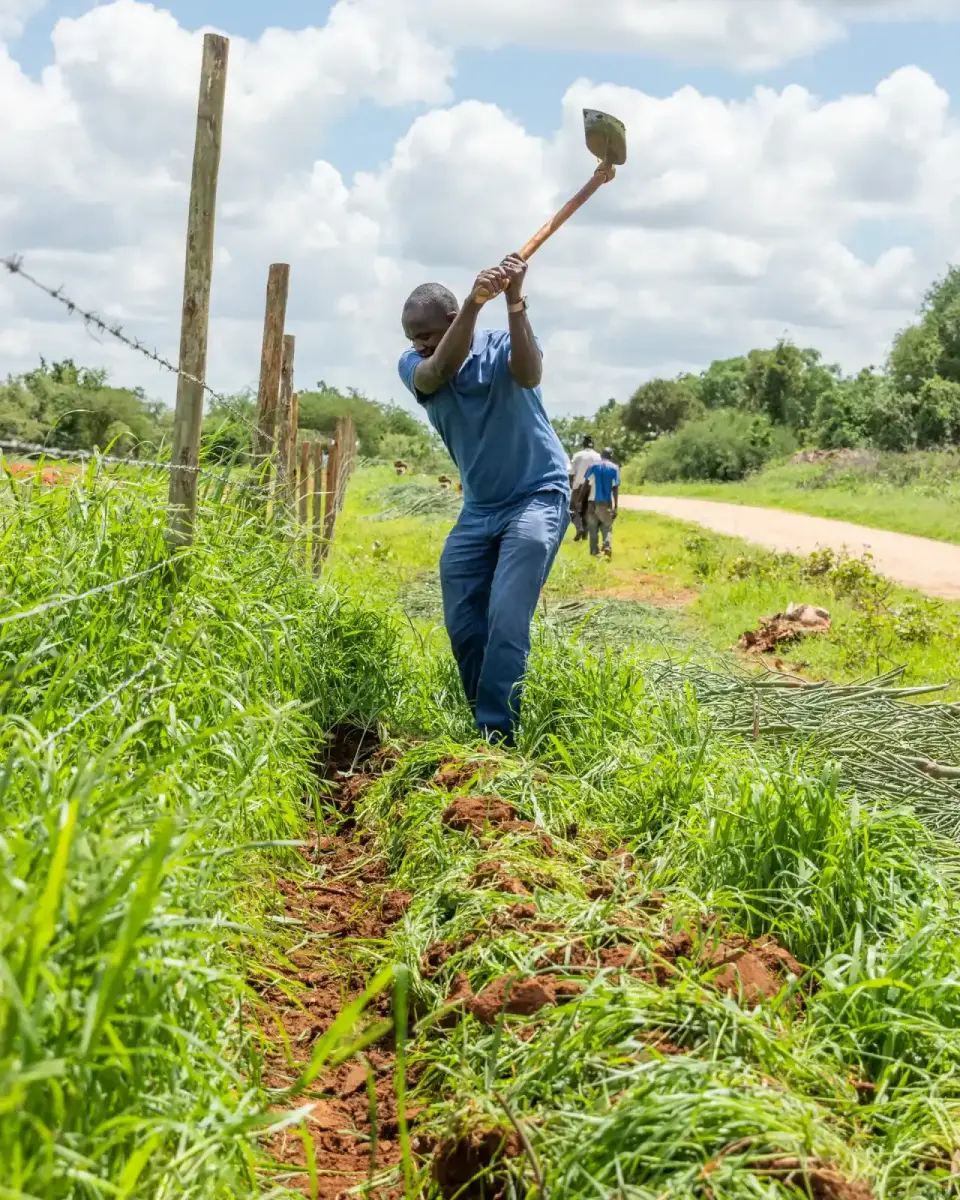
Landscape Restoration Baselines for Dryland Recovery
A practical introduction to establishing restoration baselines, selecting native species, and sequencing landscape recovery work in dryland systems.
Read articleKnowledge & Evidence
Practical reading from each FKLM pillar, designed to make field knowledge easier to browse and apply.
Featured
By Pillar
Designing landscape-scale restoration systems that regenerate land, water, and biodiversity at lasting scale.
A practical introduction to establishing restoration baselines, selecting native species, and sequencing landscape recovery work in dryland systems.
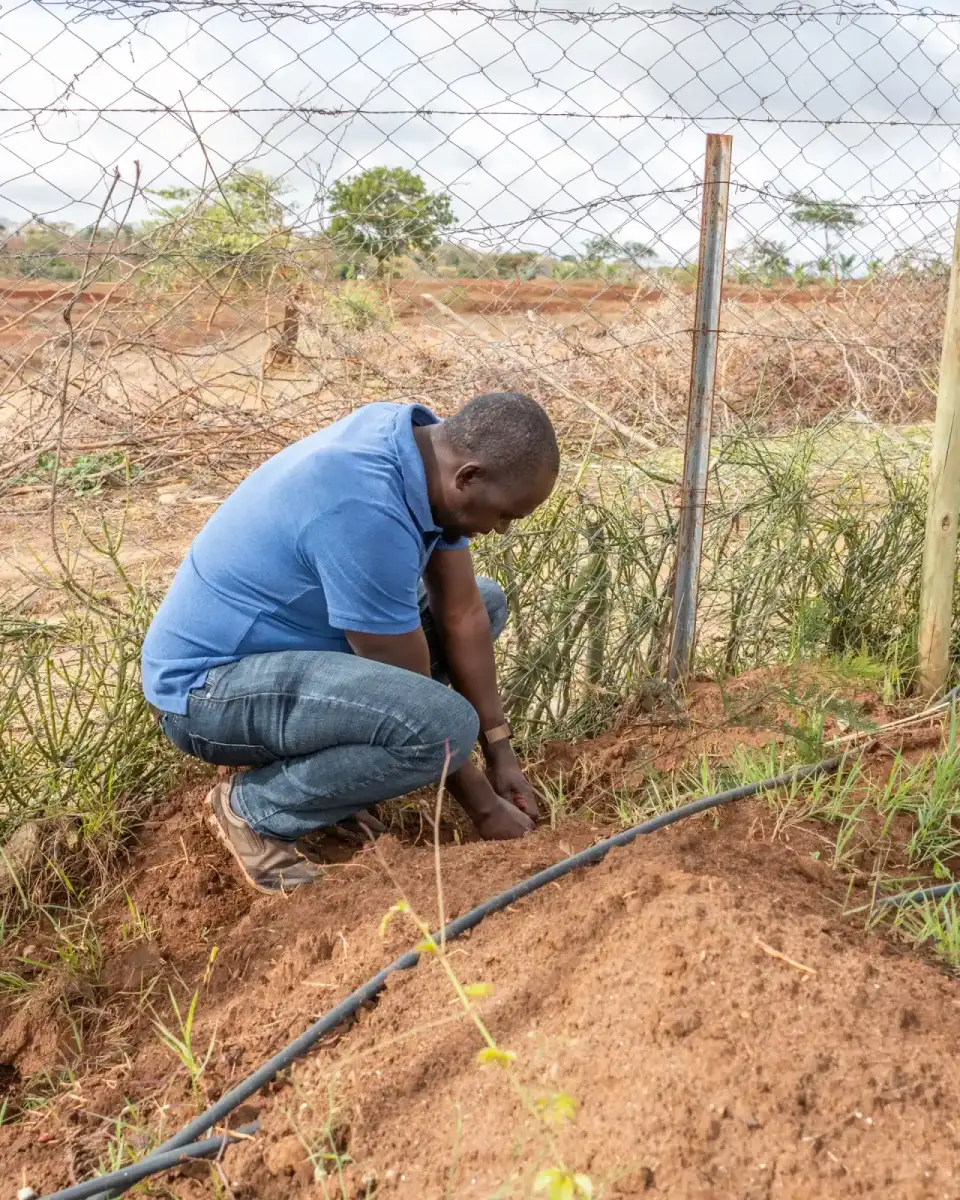
Why restoration lasts longer when governance, incentives, and local stewardship structures are designed alongside planting plans.
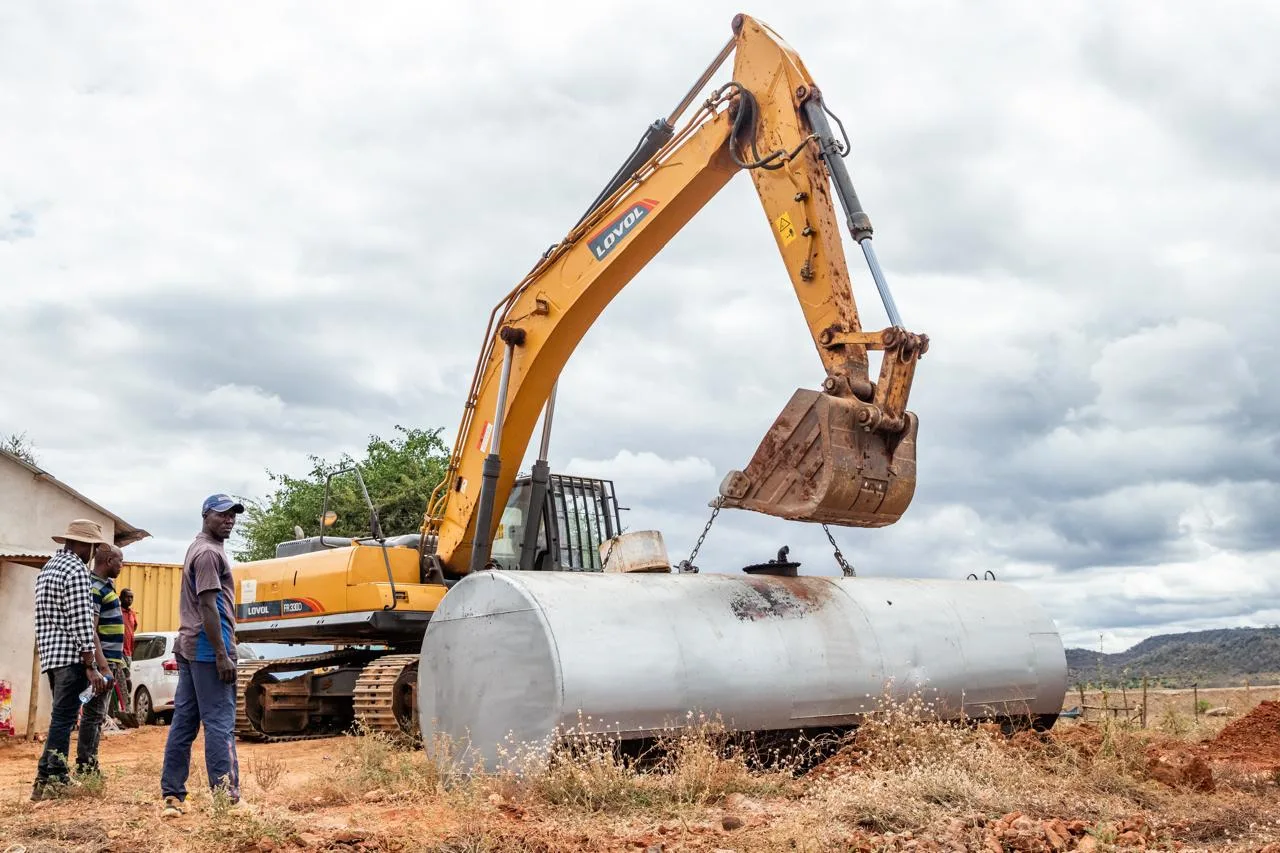
Embedding water security into every restoration system through climate-adaptive infrastructure and watershed stewardship.
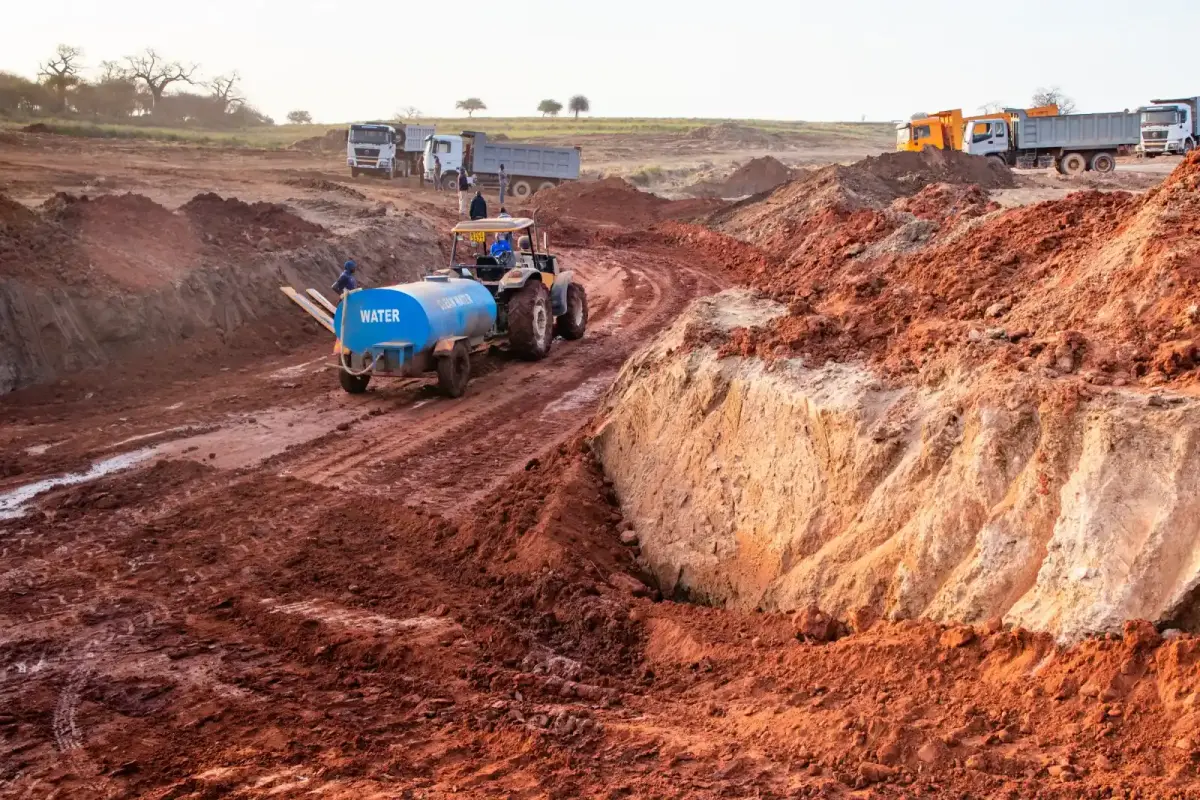
An accessible overview of how sand dams, small reservoirs, and catchment design strengthen year-round water access in restoration landscapes.
The follow-through work that protects water investments, from riparian rehabilitation to local maintenance committees and seasonal monitoring.
Generating the data, verification, and carbon intelligence needed to finance and steward restoration with credibility.
A clear guide to measurement, reporting, and verification workflows for projects that need investable and defensible environmental evidence.
How geospatial tools, field sampling, and repeatable evidence systems help restoration teams prove progress over time.
Building regenerative livelihoods and food systems that make restoration economically viable for communities.
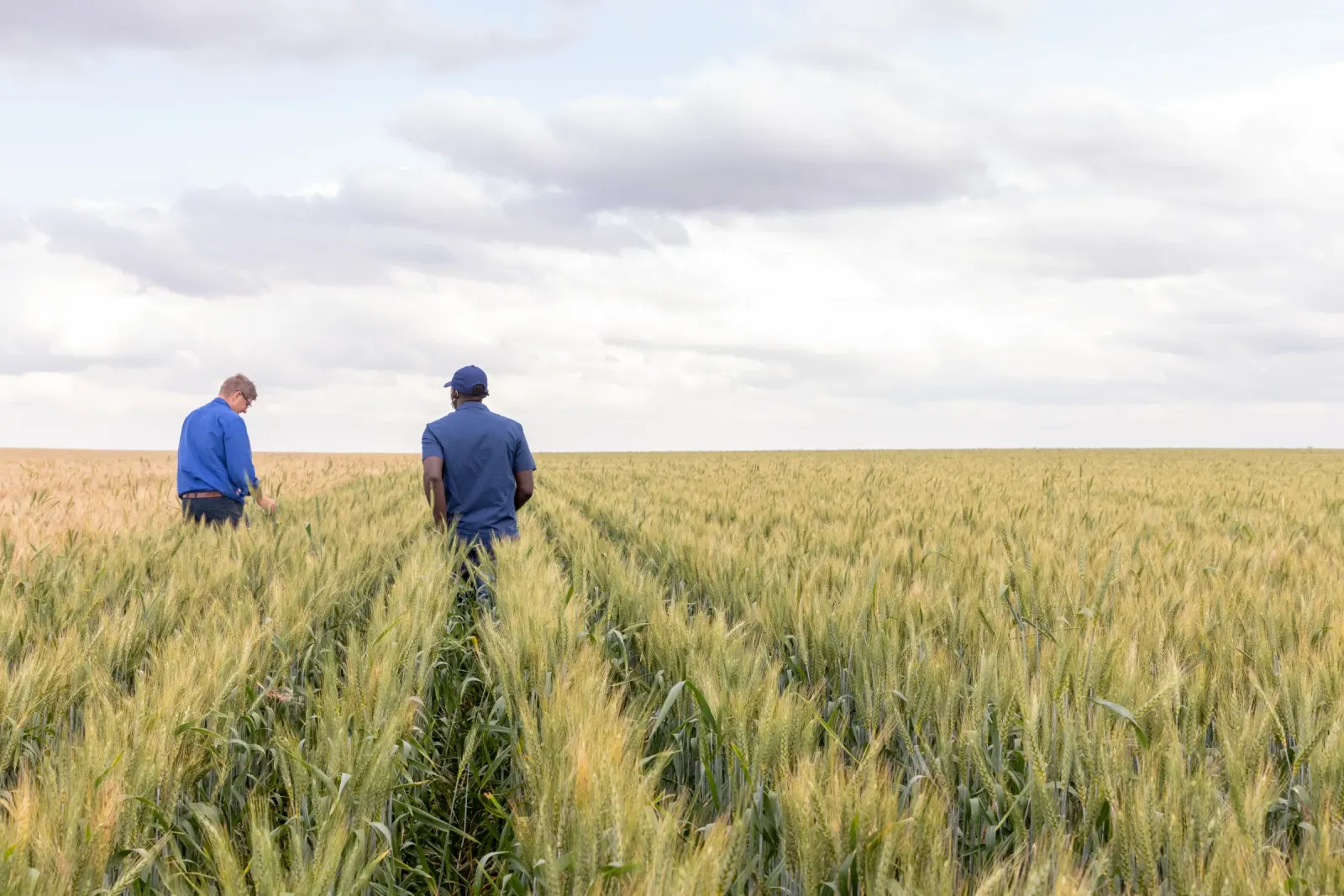
A starter read on linking restoration work to income, food systems, and enterprise pathways that communities can sustain.
What makes farmer field schools effective, from demonstration design and seasonal coaching to peer-to-peer adoption of resilient practices.
Equipping young people and women to lead restoration, governance, and long-term community resilience.
A practical look at how environmental learning, leadership development, and place-based action can strengthen long-term stewardship.
How school programmes, youth clubs, and women-led community action can reinforce one another instead of operating in isolation.